Building accessible learning
How Alan Jerram and the team at Abri are redesigning learning to make accessiblity part of every learner’s experience. They have transformed their approach to mandatory eLearning by putting accessibility at the centre of all design decisions.
Like many organisations, the team at Abri had invested heavily in creating engaging compliance training. Interactive modules, virtual walkthroughs and modern design looked impressive, but feedback from colleagues revealed a different story. Some learners struggled to navigate the content, while others found it inaccessible using assistive technology or mobile devices.
That realisation sparked a complete rethink that has transformed not only their eLearning, but their wider approach to learning, communication and inclusion.
A fresh perspective
After reviewing their learning against the Web Content Accessibility Guidelines (WCAG), the team discovered their existing eLearning scored just 16% in a self-assessment.
Rather than seeing this as a setback, they used it as a catalyst for change. Accessibility became more than a compliance requirement; it became the foundation of every new learning design.
Small changes, big impact
The team focused on practical improvements that would make learning easier for everyone to access, including:
- Reviewing colour contrast to ensure text is clear and readable.
- Using plain, inclusive language instead of jargon or device-specific instructions like “click here”.
- Adding meaningful alternative text to images and removing unnecessary decorative graphics.
- Simplifying navigation so courses can be completed using a keyboard as well as a mouse.
- Including captions on videos and giving learners control over playback.
- Redesigning assessments to remove unnecessary barriers, such as drag-and-drop activities and time limits.
“These changes haven’t just improved accessibility, they’ve created a better learning experience for all colleagues.”
Looking beyond eLearning
Accessibility doesn’t stop with digital learning. Abri has started embedding inclusive practice across its classroom training by asking learners about accessibility requirements in advance, choosing accessible venues, providing neurodiversity support tools and reviewing learning materials with inclusion in mind.
It’s a reminder that accessibility isn’t a project, it’s a mindset.
“Progress is more important than perfection.”
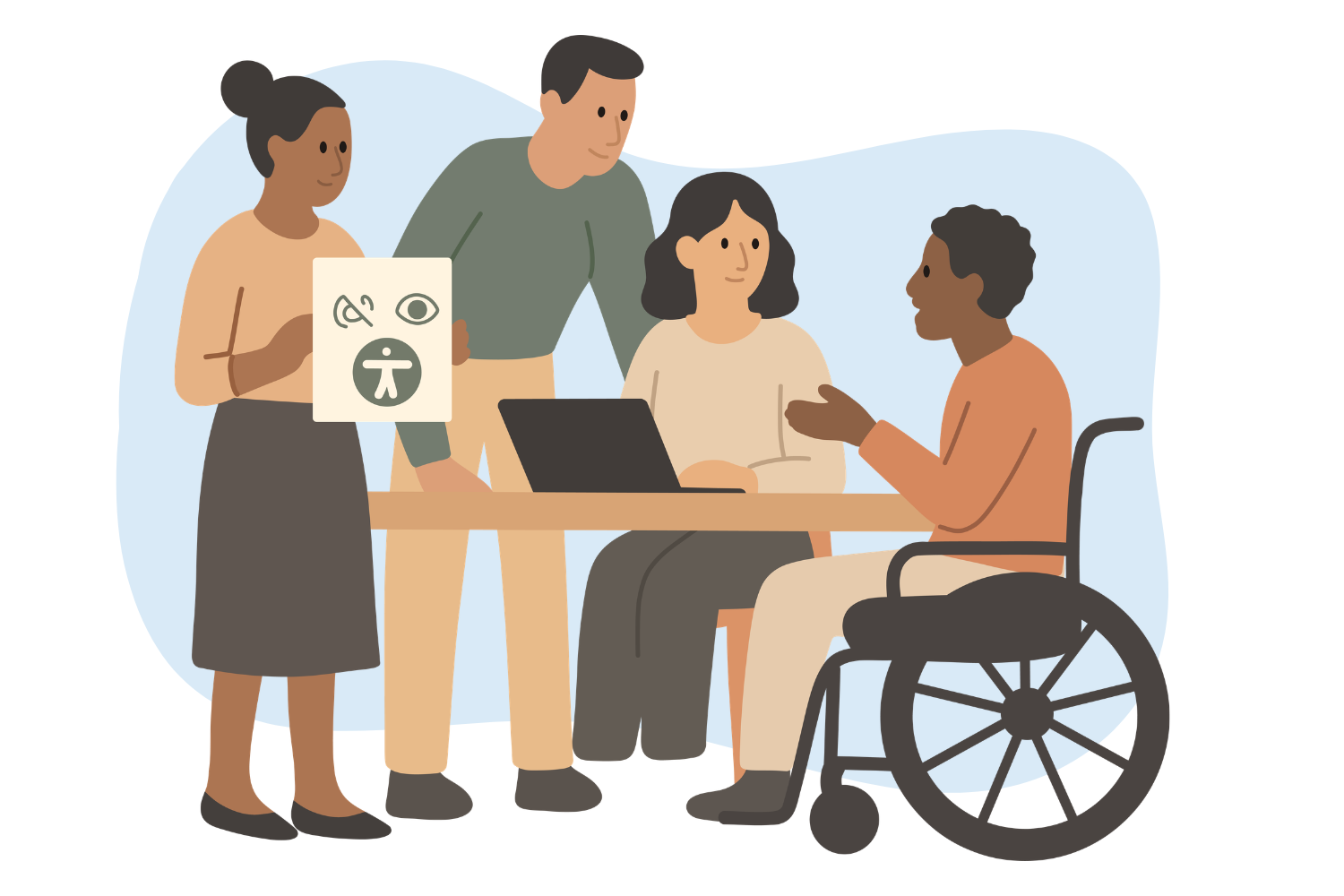
Key takeaways
- Build accessibility into learning from the start rather than adding it later.
- Simple, clear design is often more effective than complex interactions.
- Test learning from the learner’s perspective, including without using a mouse.
- Small improvements can have a significant impact on the overall learner experience.
- Accessibility benefits everyone, not just those with additional needs.
Don’t miss these handy resources!
Looking for more practical guidance? Explore Alan’s curated collection of tools, resources and further reading to help you create more accessible and inclusive experiences.
Find out more from the Charity Learning Consortium
Exceptional support

Streamline learning with our Learning Management System

Charity case studies
Our charity case studies spotlight the inspiring work of our members showcasing creative solutions, challenges overcome, and the real-world impact of learning and development in the third sector. Dive in to discover ideas, inspiration, and the power of shared success.

CL Consortium Ltd
Vine House, Selsley Road,
Stroud, GL5 5NN
The Charity Mentoring Network: A community platform that connects organisations, staff and volunteers together.